


 Home
HomeAutomatic vs Semi-Auto Wooden Spoon Machine: Which Saves Labor?
When your wooden cutlery orders start growing, labor becomes a real cost, not just a line on the payroll. A semi automatic wooden spoon machine may look easier to buy at first. An automatic wooden spoon hot pressing machine may cost more, but it can change how many people you need, how stable each shift is, and how fast your factory can take bigger orders.
For many buyers, the better question is not “Which machine is cheaper?” It is “Which machine gives lower labor cost per 10,000 spoons?”
Why Does Labor Cost Matter in Wooden Spoon Hot Pressing?
Wooden spoon hot pressing is not a small side process. It shapes the spoon head and affects the final look, curve, and feel. If this step slows down, the whole wooden cutlery production line slows down too.
Labor Is More Than Wages
You pay for operators, training, shift control, rework, and lost output when workers are tired. In a busy factory, one slow hand can create a long queue before packing. That sounds small, but it shows up clearly at the end of the month.
Operator Dependency Can Hurt Delivery
A semi automatic wooden spoon machine usually needs steady manual feeding. The result depends on the worker’s rhythm. Some workers are fast. Some are careful but slow. Some are new and need days to get used to the machine. This operator dependency makes daily planning harder.
How Does a Semi Automatic Wooden Spoon Machine Work?
A semi automatic model still has value, especially for a small factory. It is usually compact, easier to place, and more flexible for trial orders. If your order volume is not stable yet, this type can be a practical start.
Manual Feeding Sets the Speed
In semi automatic production, the worker feeds blanks, watches the cycle, and removes pressed pieces. The machine presses, but the person still controls much of the pace. This is why a one person operation wooden spoon machine can work well in small workshops, but it may become tight when large orders arrive.
It Fits Flexible Production
Besta Machine’s SP-160-1P wooden spoon machine is designed for wooden spoon and fork hot pressing. It uses 2.4 KW power, has a compact machine size of 1440 × 450 × 1270 mm, weighs 180 kg, and works with an air compressor. It is also installed with two mould units for one size, which makes it useful for flexible wooden spoon and fork hot pressing.
How Does an Automatic Wooden Spoon Hot Pressing Machine Reduce Labor?
When your production is already regular, automation starts to make more sense. A fully automatic wooden spoon hot pressing machine helps you reduce repeated hand work and keep the line moving at a more even speed.
Automatic Feeding Cuts Repeated Handling
Automatic feeding reduces the need for workers to place every blank by hand. The machine can keep a steadier rhythm, which helps reduce labor pressure in long shifts. This is why many factories call this type a labor saving cutlery machine.
Higher Output Lowers Labor Per Piece
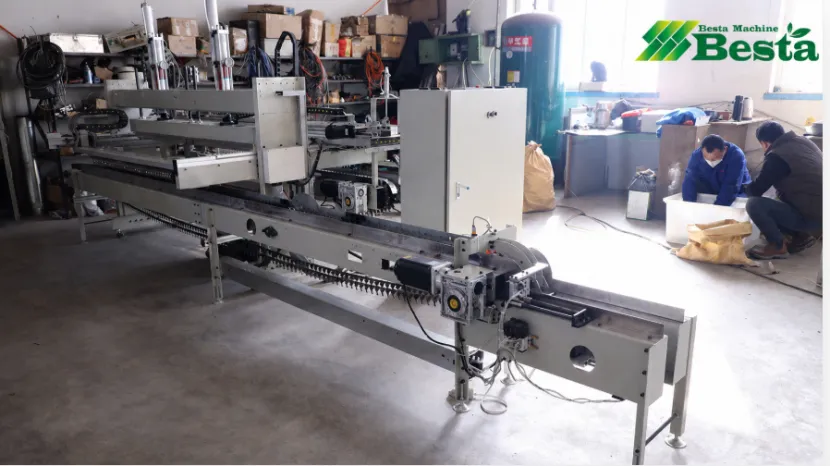
The automatic wooden spoon hot pressing machine ASP-300A from Besta Machine is a fully automatic, non steam wooden spoon hot pressing machine. It uses one side feeding, presses 50 spoons each time, and reaches about 15,000 pcs/hour. For high volume wooden spoon production, that output can greatly reduce labor cost per 10,000 spoons.
Which Machine Gives Better Shift Output?
Shift output is where the difference becomes obvious. A small factory may care about machine price first. A factory with export orders usually cares about how many qualified pieces can leave the line every day.
Semi Automatic Output Changes With People
With manual feeding, output changes when the operator changes. Morning shift and night shift may not give the same result. If the worker gets tired, the machine may still be ready, but the line slows down.
Automatic Output Is Easier to Plan
A high capacity wooden spoon machine gives a clearer production base. If the machine output is about 15,000 pcs/hour, you can estimate daily output, then subtract time for blank supply, inspection, mold checks, and small stops. Factory planning becomes less guesswork. Not perfect, of course. Wood is still wood, and raw material quality can make a Monday morning a little annoying.
Which Machine Gives Better Production Consistency?
Production consistency matters when you sell to foodservice buyers, wholesalers, or packaging distributors. They do not want one batch with smooth spoon heads and the next batch with uneven curves.
Stable Pressing Helps Forming Quality
Automatic feeding and stable pressing help reduce variation caused by manual feeding. A wooden spoon forming machine still needs good blanks, but stable machine movement helps keep the spoon shape more regular.
Blank Preparation Still Matters
Before hot pressing, wooden spoon blanks need to be dipped in water and balanced. The ASP-300A mainly presses the spoon head part, so blank preparation remains important. If the blank is too dry or uneven, even a good machine cannot fix every defect.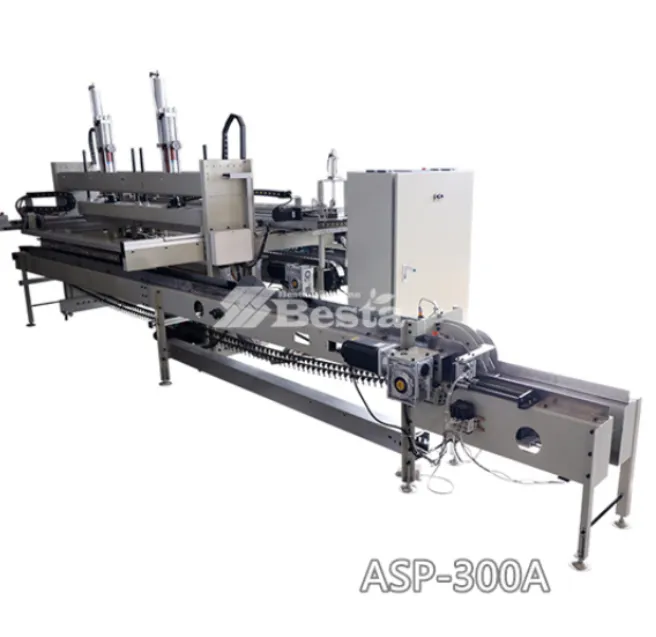
How Should You Calculate Wooden Spoon Machine ROI?
A serious buyer should not compare only machine price. The better way is to compare the full cost of production, especially labor cost, output, and rejected pieces.
Use Labor Cost Per 10,000 Spoons
A simple formula works well:
Labor cost per 10,000 spoons = shift labor cost ÷ qualified shift output × 10,000
This helps you compare a semi automatic wooden spoon machine and an automatic wooden spoon hot pressing machine in a practical way. If the automatic model produces much more with fewer hands, the wooden spoon machine ROI may be stronger than it first looks.
Count Factory Conditions Too
You also need to count air compressor needs, power supply, floor space, and worker access. The ASP-300A uses 12 KW power, weighs 1400 kg, and needs an installation size of about 5 m × 1.9 m × 1.95 m. That is not a machine you squeeze into a random corner.
When Should You Choose Each Machine?
The right choice depends on your factory stage. A semi automatic machine is not “bad,” and an automatic one is not always necessary. The real issue is order volume.
Choose Semi Automatic For Smaller Or Mixed Orders
A semi automatic wooden spoon machine for small factory use makes sense when you have limited starting budget, changing order sizes, or trial production. It is also useful as backup capacity.
Choose Automatic For Stable Large Orders
Choose a fully automatic wooden spoon machine for factory production when you need higher output, lower operator dependency, better production consistency, and faster delivery. If skilled labor is hard to keep, automation can save more than wages. It saves management time too.
Why Choose Besta Machine For Wooden Spoon Hot Pressing Equipment?
Besta Machine is a bamboo and wood processing machinery supplier with over 20 years of industry experience. Its product range covers bamboo and wood working machinery, including wooden cutlery equipment, toothpick machines, chopstick machines, and related production line solutions.
For buyers comparing a Besta wooden spoon hot pressing machine, the value is not only one model. You can match different factory stages, from the SP-160-1P wooden spoon machine for one person operation to the ASP-300A wooden spoon hot pressing machine for high output production. Besta Machine also provides technical support, OEM service, and after-sales support, which matters when you are buying equipment that must run daily, not just look good in a quotation.
Automatic vs Semi Automatic Which One Saves More Labor?
In most high volume production scenarios, an automatic wooden spoon hot pressing machine saves more labor. A semi automatic wooden spoon machine saves more initial investment. If your factory is testing the market, semi automatic may be enough. If you already have stable orders and need better shift output, lower operator dependency, and stronger wooden spoon machine ROI, automatic is usually the better long-term choice.
For buyers planning a new wooden cutlery production line or upgrading from manual feeding, Besta Machine gives a practical path: start with the machine that fits today’s order volume, but choose with tomorrow’s labor cost in mind.
FAQ
Q1: Is An Automatic Wooden Spoon Hot Pressing Machine Always Better?
A: No. It is better for stable, high volume production. For small orders or trial production, a semi automatic wooden spoon machine may be more practical.
Q2: Which Wooden Spoon Machine Saves More Labor?
A: An automatic wooden spoon hot pressing machine usually saves more labor because it reduces manual feeding and keeps a steadier production rhythm.
Q3: Does A Semi Automatic Wooden Spoon Machine Still Need Skilled Workers?
A: Yes. Worker speed, feeding accuracy, and shift discipline affect output and forming quality.
Q4: What Is The Output Of The ASP-300A Wooden Spoon Hot Pressing Machine?
A: The ASP-300A wooden spoon hot pressing machine can reach about 15,000 pcs/hour under suitable production conditions.
Q5: Do Wooden Spoon Hot Pressing Machines Need An Air Compressor?
A: Some models do. Both factory setup and machine selection should include air compressor needs, power supply, and floor space.


Hot Products | Sitemap | Special
automatic bamboo splitting machine , bamboo splitting machine price , strip setting machine , toothpick making machine , bamboo splitting blades , Toothpick Precise Cutting Machine