


 Home
Home2026 Disposable Wooden Cutlery Market: Trends & Automation
The disposable wooden cutlery market is growing fast. It used to be just a tiny green idea. Now, it is a huge piece of the food packing world. If you sell takeaway food, provide catering goods, or own a wooden cutlery factory, 2026 brings great news. Demand will just keep going up. Why? Shoppers want clean, earth-friendly tools. Lawmakers are banning bad plastics. Also, food delivery still needs good spoons and forks that look neat and safe.
Market reports show great wooden cutlery market growth. In 2024, the global household disposable wooden cutlery market was worth USD 2.095 billion. Experts say it will hit USD 3.416 billion by 2034. That is a loud and clear sign. This business is not just talking about being green. It is about big orders. It is about real packaging needs and busy factory floors.
Why Is the Disposable Wooden Cutlery Market Growing?
The biggest reason is how buyers act today. Folks still need spoons, forks, and knives for their takeaway meals. But, most of them hate seeing cheap plastic in the bag. A tiny thing like a disposable wooden spoon inside a salad box changes a lot. It makes the buyer feel better about the whole meal. It sounds small, but food brands really care about this feeling.
Sustainability Is Becoming a Buying Standard
More eating places, hotels, planes, and party planners ask for sustainable disposable cutlery now. Biodegradable wooden cutlery fits right in. It gives off a warm, natural vibe. It looks great next to paper boxes, brown kraft bags, and fiber trays.
For tons of buyers, plastic-free cutlery alternatives are not just a nice option anymore. They must have them. This explains why the eco-friendly tableware market stays so hot. When you sell to food buyers, you do more than just hand over tools. You help them make their own shoppers happy.
How Are Plastic Rules Changing Wooden Cutlery Demand?
A single-use plastic cutlery ban can flip the market upside down. When places ban plastic spoons, forks, knives, and stirrers, buying teams panic. They quickly hunt for safe swaps. That is exactly when wooden cutlery demand spikes.
Foodservice Buyers Want Lower Compliance Risk
Selling overseas is not just about having a low price. You must also ask if your goods can cross borders without breaking rules. Disposable wooden utensils market demand shoots up when buyers want an easy fix for new plastic laws. A wooden spoon, fork, or knife might not fix every single packing issue. Still, it makes the buying choice so much easier.
Why Does Food Delivery Create More Demand?
Delivering food totally changed how we use forks and spoons. A diner might serve 300 meals inside but pack 1,000 bags to go on the exact same day. Every to-go bag needs food delivery disposable cutlery, a napkin, and sauce. When the lunch rush hits, every single second counts.
Takeaway Packaging Needs Reliable Cutlery Supply
Takeaway wooden cutlery is a hit because it matches perfectly with rice bowls, noodle boxes, and salads. People supplying wooden cutlery for foodservice, wooden cutlery for restaurants, and wooden cutlery for catering need a steady flow of boxes. They cannot just rely on pretty samples. This makes wrapped wooden cutlery sets a huge deal. A tidy pack holding a disposable wooden fork, knife, spoon, and napkin feels very clean. But, to make that clean pack, the factory floor has to sort, line up, and wrap everything fast.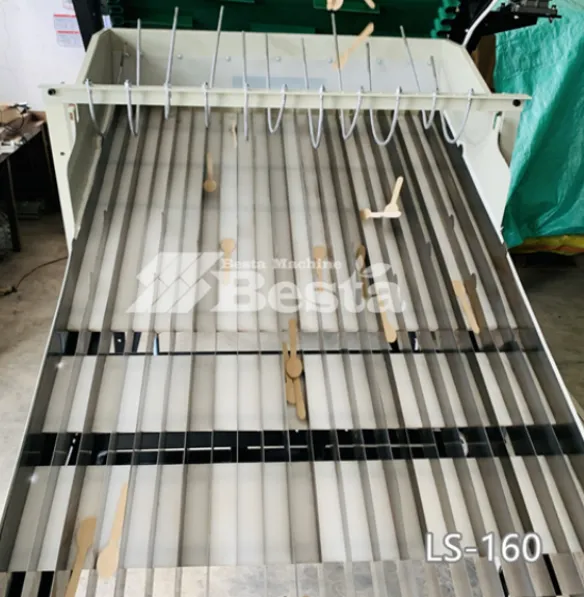
What Production Challenges Should Manufacturers Watch?
The hardest wooden cutlery production challenges are high costs, finding workers, and making everything match. Wood costs more money than cheap plastic. Yet, buyers still beg for low prices. So, your wooden cutlery manufacturing cost must stay super tight.
Manual Sorting Can Become a Bottleneck
After the wood dries and gets smooth, wooden spoon fork and knife items do not always face the same way. Manual sorting of wooden cutlery eats up hours. Workers get tired very fast. During giant orders, this tiny step ruins the packing speed. Good wooden cutlery production efficiency is a must for bulk orders.
Top wooden cutlery packaging efficiency matters even more if you sell individually wrapped wooden cutlery or sets. No factory boss wants a pile of great items just sitting there because the packing crew is too slow.
Why Is Automation Becoming More Important?
The disposable cutlery market trends show buyers ordering bigger batches. They want better packing. So, plants need machines, not just more hands. Automated wooden cutlery production helps you keep up. Buyers want fast shipping, clean tools, and no delays.
Besta Machine and The Order Arranging Step
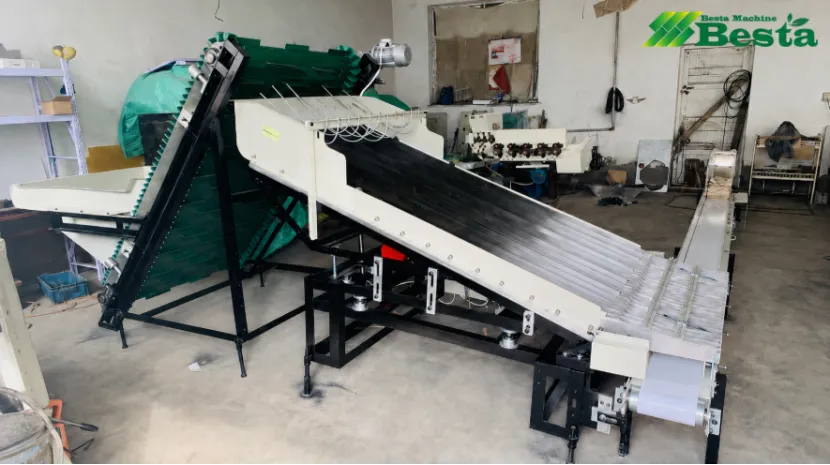
Besta Machine is a trusted name for wood and bamboo tools. They build gear for bamboo work, toothpicks, chopsticks, and wooden cutlery production. They care about real, daily output. They make working with natural wood much easier and faster. Take a look at their LS-160 wooden cutlery order arranging machine.
It works right after the drying and smoothing steps. It takes messy, loose tools and lines them up neatly for packing. The machine uses a smart screen setup. It runs at 2.8KW. It can handle about 100,000 to 200,000 pcs/hour.
For buyers planning wooden cutlery production line automation, you cannot skip this step. A wooden cutlery sorting machine or wooden spoon order arranging machine does not look as fancy as a shaping press. But, it controls the whole packing speed. If your shop makes a disposable wooden spoon fork and knife, you need help. A good disposable wooden spoon fork and knife order arranging machine stops workers from doing the same boring hand work all day. It moves huge orders out the door faster.
What Does The 2026 Outlook Mean For You?
The disposable wooden cutlery market outlook 2026 looks bright. Three big things are pushing it: going green, cutting plastic, and more food delivery. The chance for sellers is huge, but the stress is high too. You need solid wood supplies, neat items, and a smart shop floor.
You must handle bigger orders without hiring a ton of new folks. To win in this green packing race, look past the spoon itself. The factory must be ready for speed and big numbers. Besta Machine fits right into that plan.
FAQ
Q1: What Is Driving The Disposable Wooden Cutlery Market In 2026?
A: Being green, plastic bans, more food delivery, and the push for eco-friendly disposable cutlery drive this growth.
Q2: Why Is Demand For Disposable Wooden Cutlery Increasing?
A: Shoppers want natural, earth-friendly, and plastic-free tools. Eating places, hotels, and parties need them.
Q3: Is Wooden Cutlery Better Than Plastic Cutlery?
A: Wooden tools look better for the earth. They fit well in green boxes. Plastic is cheaper, but laws and angry buyers make it risky.
Q4: What Are The Main Challenges In Wooden Cutlery Manufacturing?
A: The biggest hurdles are wood costs, paying workers, hand sorting, slow packing, and keeping sizes exact.
Q5: How Can Manufacturers Improve Wooden Cutlery Production Efficiency?
A: Plants can work faster by cutting out hand sorting. They can line up items before boxing them. Adding machines like a wooden cutlery arranging machine helps a lot.


Hot Products | Sitemap | Special
oem Bamboo Splitting Machine , automatic wood cutting machine , Fully Automatic Wooden Spoon Fork Hot Pressing Machine , bamboo machines , toothpick sharpening machine , oem Bamboo processing machine