Phone: +8618657106860
Email: angel@bestachina.com


 Home
HomeWhat is the carved cutting machine?
Views: 3163 Author: Site Editor Publish Time: 2025-05-25 Origin: Site
In the realm of modern manufacturing and design, carved cutting machines have become pivotal in enhancing the precision and efficiency of production processes. These sophisticated tools provide a seamless integration of technology and craftsmanship, offering versatile solutions across various industries. This article delves deep into the world of carved cutting machines, exploring their history, mechanisms, types, applications, and future trends.
Carved cutting machines are advanced engineering tools used primarily for cutting intricate designs into materials such as wood, metal, plastic, and composites. They employ technologies like CNC (Computer Numerical Control) and laser cutting to achieve high precision and efficiency. These machines have revolutionized modern manufacturing by providing the capability to produce customized, complex designs with minimal human intervention.
The versatility of carved cutting machines stems from their ability to work with a myriad of materials. Wood remains a popular choice due to its availability and ease of carving, while metals and plastics are used in more industrial applications. Advanced composites and synthetic materials have also become common, thanks to their durability and adaptability.
The history of carving machines dates back to the use of basic hand tools. Artisans and craftsmen relied on chisels, saws, and knives to manually carve designs into wood and stone, an endeavor that was both time-consuming and labor-intensive.
The advent of computer-controlled systems marked a significant turning point in the evolution of carving machines. In the late 20th century, CNC technology was introduced, which automated the carving process, allowing for greater precision and complexity in design. This evolution propelled the industry forward, enabling the production of intricate patterns at a scale that was previously unattainable.
The integration of CAD software is foundational to the operation of carved cutting machines. Designers create detailed digital models that serve as blueprints for the machine. These models are then translated into machine code, directing the machine's movements with pinpoint accuracy.
Carved cutting machines utilize various tools and mechanisms depending on the material and desired outcome. CNC routers are common for woodworking, equipped with rotating bits that cut into the material. Laser cutters, on the other hand, use focused laser beams to vaporize or melt material with exceptional precision.
CNC routers are versatile machines primarily used for cutting wood, plastic, and non-ferrous metals. They are essential in the manufacturing and carpentry industries for producing furniture, signage, and decorative pieces. Their ability to perform multiple functions—cutting, shaping, and engraving—makes them indispensable in workshop settings.
Laser cutting machines utilize high-powered lasers to cut through materials with extreme accuracy. Ideal for intricate patterns, these machines are favored in the production of parts for the automotive and aerospace industries, as well as for crafting detailed artwork and jewelry.
In manufacturing and engineering, carved cutting machines facilitate the production of complex components for machinery, vehicles, and consumer electronics. Their precision ensures that parts fit together seamlessly, enhancing the overall quality and functionality of products.
Artists and designers leverage carved cutting machines to bring intricate artistic visions to life. From architectural models to custom jewelry, these machines enable creators to explore new dimensions of design without the constraints of traditional carpentry.
Wood remains one of the most commonly used materials in carved cutting applications due to its workability and aesthetic appeal. Plastics, including acrylics and polycarbonates, offer flexibility and are used extensively for signage, displays, and consumer goods.
Metals, such as aluminum and steel, are regularly processed through carving machines in industrial settings. Additionally, advanced composites—materials made from two or more constituent materials—are gaining traction for their strength and reduced weight, proving useful in sectors like aerospace and automotive.
The primary advantage of carved cutting machines is their unparalleled precision and efficiency. These machines can replicate intricate designs with remarkable consistency, reducing material waste and the margin of error.
Carved cutting machines offer unmatched versatility, capable of seamlessly switching between projects and materials. This adaptability allows manufacturers and designers to customize projects to meet specific needs, fostering innovation and creativity.
The sophisticated nature of carved cutting machines means they come with a considerable initial cost. Additionally, regular maintenance is essential to ensure optimal performance, necessitating ongoing investment.
Operating carved cutting machines requires specialized technical skills. Operators must be proficient in CAD software and possess a strong understanding of the machine's operations to produce precise and high-quality results.
Technological advancements continue to propel the carved cutting machine industry forward. Enhanced software capabilities, increased automation, and integration of AI are paving the way for smarter, more efficient machines.
Innovations in machine design and technology are making carved cutting machines more accessible and affordable. As the cost of CNC and laser technology decreases, smaller businesses and independent craftsmen are gaining the opportunity to leverage these powerful tools.
Carved cutting machines have indelibly transformed modern manufacturing and design. By marrying technology with craftsmanship, they enable precision, efficiency, and creativity on an unprecedented scale. Their impact resonates across diverse industries, continually pushing the boundaries of what is possible in both functional and artistic endeavors.
---
Besta Bamboo Machine Co., Limited is the world's leading bamboo and wood working machine supplier, boasting over 20 years of industry expertise. Renowned for technological innovation and excellent service, Besta holds over 30 equipment patents and CE certifications. Their product line includes bamboo toothpicks, chopsticks, coffee sticks, and advanced bamboo processing equipment. As a comprehensive factory, they lead the industry in bamboo processing, supported by a skilled sales team and robust after-sales service, ensuring quality and reliability for their global clientele.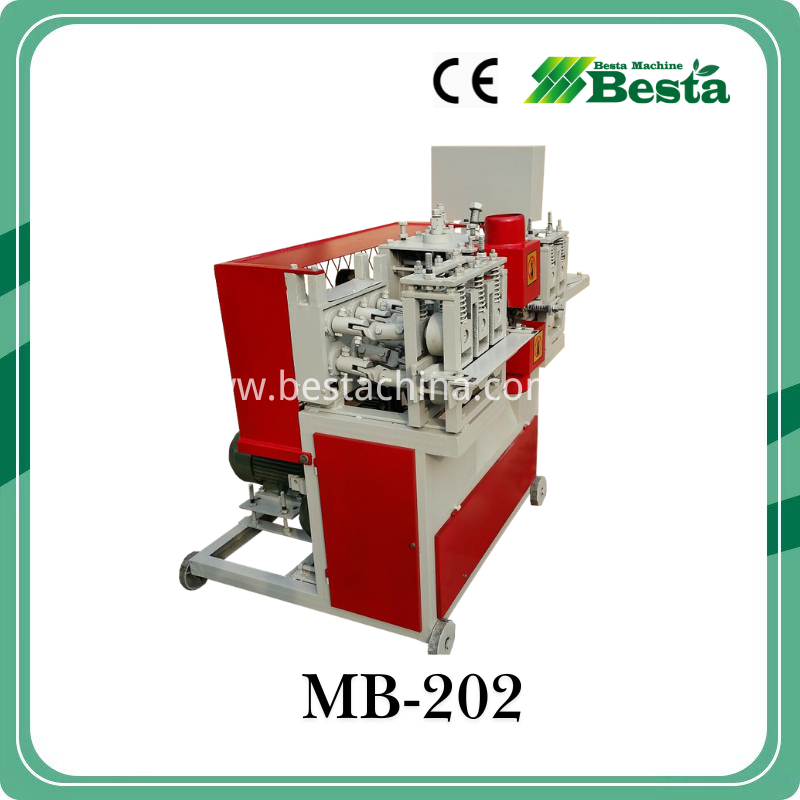
Introduction to Carved Cutting Machines
● Definition and Basic Function
Carved cutting machines are advanced engineering tools used primarily for cutting intricate designs into materials such as wood, metal, plastic, and composites. They employ technologies like CNC (Computer Numerical Control) and laser cutting to achieve high precision and efficiency. These machines have revolutionized modern manufacturing by providing the capability to produce customized, complex designs with minimal human intervention.
● Overview of Materials Used
The versatility of carved cutting machines stems from their ability to work with a myriad of materials. Wood remains a popular choice due to its availability and ease of carving, while metals and plastics are used in more industrial applications. Advanced composites and synthetic materials have also become common, thanks to their durability and adaptability.
History and Evolution of Carving Machines
● Early Techniques and Tools
The history of carving machines dates back to the use of basic hand tools. Artisans and craftsmen relied on chisels, saws, and knives to manually carve designs into wood and stone, an endeavor that was both time-consuming and labor-intensive.
● Development of Computer-Controlled Systems
The advent of computer-controlled systems marked a significant turning point in the evolution of carving machines. In the late 20th century, CNC technology was introduced, which automated the carving process, allowing for greater precision and complexity in design. This evolution propelled the industry forward, enabling the production of intricate patterns at a scale that was previously unattainable.
How Carved Cutting Machines Work
● Computer-Aided Design (CAD) Integration
The integration of CAD software is foundational to the operation of carved cutting machines. Designers create detailed digital models that serve as blueprints for the machine. These models are then translated into machine code, directing the machine's movements with pinpoint accuracy.
● Description of Tools and Mechanisms
Carved cutting machines utilize various tools and mechanisms depending on the material and desired outcome. CNC routers are common for woodworking, equipped with rotating bits that cut into the material. Laser cutters, on the other hand, use focused laser beams to vaporize or melt material with exceptional precision.
Types of Carved Cutting Machines
● CNC Routers
CNC routers are versatile machines primarily used for cutting wood, plastic, and non-ferrous metals. They are essential in the manufacturing and carpentry industries for producing furniture, signage, and decorative pieces. Their ability to perform multiple functions—cutting, shaping, and engraving—makes them indispensable in workshop settings.
● Laser Cutting Machines
Laser cutting machines utilize high-powered lasers to cut through materials with extreme accuracy. Ideal for intricate patterns, these machines are favored in the production of parts for the automotive and aerospace industries, as well as for crafting detailed artwork and jewelry.
Applications and Uses in Various Industries
● Manufacturing and Engineering
In manufacturing and engineering, carved cutting machines facilitate the production of complex components for machinery, vehicles, and consumer electronics. Their precision ensures that parts fit together seamlessly, enhancing the overall quality and functionality of products.
● Art and Design Sectors
Artists and designers leverage carved cutting machines to bring intricate artistic visions to life. From architectural models to custom jewelry, these machines enable creators to explore new dimensions of design without the constraints of traditional carpentry.
Materials Suitable for Carving Machines
● Wood and Plastics
Wood remains one of the most commonly used materials in carved cutting applications due to its workability and aesthetic appeal. Plastics, including acrylics and polycarbonates, offer flexibility and are used extensively for signage, displays, and consumer goods.
● Metals and Composites
Metals, such as aluminum and steel, are regularly processed through carving machines in industrial settings. Additionally, advanced composites—materials made from two or more constituent materials—are gaining traction for their strength and reduced weight, proving useful in sectors like aerospace and automotive.
Advantages of Using Carved Cutting Machines
● Precision and Efficiency
The primary advantage of carved cutting machines is their unparalleled precision and efficiency. These machines can replicate intricate designs with remarkable consistency, reducing material waste and the margin of error.
● Versatility and Customization
Carved cutting machines offer unmatched versatility, capable of seamlessly switching between projects and materials. This adaptability allows manufacturers and designers to customize projects to meet specific needs, fostering innovation and creativity.
Challenges and Limitations
● Initial Cost and Maintenance
The sophisticated nature of carved cutting machines means they come with a considerable initial cost. Additionally, regular maintenance is essential to ensure optimal performance, necessitating ongoing investment.
● Technical Skills Required
Operating carved cutting machines requires specialized technical skills. Operators must be proficient in CAD software and possess a strong understanding of the machine's operations to produce precise and high-quality results.
Innovations and Future Trends
● Advancements in Technology
Technological advancements continue to propel the carved cutting machine industry forward. Enhanced software capabilities, increased automation, and integration of AI are paving the way for smarter, more efficient machines.
● Increasing Accessibility and Affordability
Innovations in machine design and technology are making carved cutting machines more accessible and affordable. As the cost of CNC and laser technology decreases, smaller businesses and independent craftsmen are gaining the opportunity to leverage these powerful tools.
Conclusion: Impact and Significance
Carved cutting machines have indelibly transformed modern manufacturing and design. By marrying technology with craftsmanship, they enable precision, efficiency, and creativity on an unprecedented scale. Their impact resonates across diverse industries, continually pushing the boundaries of what is possible in both functional and artistic endeavors.
---
Besta Bamboo Machine Co., Limited is the world's leading bamboo and wood working machine supplier, boasting over 20 years of industry expertise. Renowned for technological innovation and excellent service, Besta holds over 30 equipment patents and CE certifications. Their product line includes bamboo toothpicks, chopsticks, coffee sticks, and advanced bamboo processing equipment. As a comprehensive factory, they lead the industry in bamboo processing, supported by a skilled sales team and robust after-sales service, ensuring quality and reliability for their global clientele.
DISCOVER MORE SOLUTIONS
Explore additional solutions related to this article. From specialized machinery to innovative tools, find the perfect complement to enhance your industry knowledge and operations.
RELATED PRODUCTS
content is empty!
CONTACT WITH US
Visit Us
Office Address in Hangzhou: NO.3 Xiaoshan Agricutural Mansion, Xiaoshan, Hangzhou City, Zhejiang Province
Phone
18657106860
Email
angel@bestachina.com


Copyright © 2021-2024 All rights reserved
Hot Products | Sitemap | Special
Fully automatic wooden spoon hot pressing machine , bamboo machines , precision wood cutting machine , manual bamboo splitting machine , Wooden Ice Cream Stick Carved Cutting Machine , oem Bamboo processing machine
Hot Products | Sitemap | Special
Fully automatic wooden spoon hot pressing machine , bamboo machines , precision wood cutting machine , manual bamboo splitting machine , Wooden Ice Cream Stick Carved Cutting Machine , oem Bamboo processing machine