


 Home
HomeWood Cutting Machine Solutions for Disposable Wooden Products Manufacturing
The Fully Automatic Wood Cutting Machine serves as a key tool in modern wood processing. It brings accuracy and steady performance right at the beginning of production lines. This advanced wood sawing machine takes care of the important job of wooden length setting. It changes raw logs into even pieces that work well for making everyday items like ice cream sticks and similar goods. As the need for sustainable wooden products increases, it helps to know what a Fully Automatic Wood Cutting Machine can do. Operators look for better efficiency and lower labor needs.
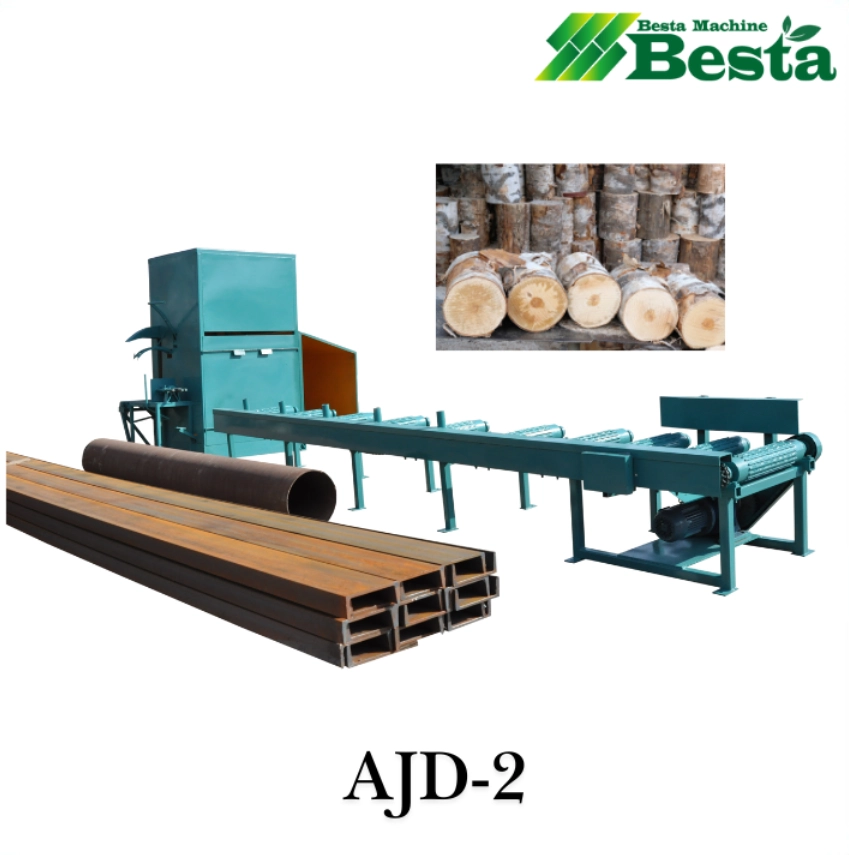
What Is a Fully Automatic Wood Cutting Machine?
A Fully Automatic Wood Cutting Machine handles the first cutting stage in wood working operations. It removes much of the hand work that people once did to size timber. Unlike manual or semi-automatic saws, this equipment brings together powered feeding, exact sawing, and conveying systems into one smooth process.
Core Purpose in Wood Processing
The machine acts mainly as the starting unit in production lines for disposable wooden items. It sets accurate lengths for logs. This prepares them for next steps such as rotary peeling or carving. This basic role makes sure that later machines get steady material. The result affects final product quality and the whole line output.
Basic Working Principle
Logs go onto a long platform. An automated feed system then moves them forward to the cutting area. High-power motors run the saw blades to create clean and repeated cuts. After that, a conveyor belt carries the finished segments away for collection or transfer. The full sequence runs with little input from the operator. This shows the automation that marks this wood sawing machine.
Key Specifications of the Fully Automatic Wood Cutting Machine
Technical details set the performance limits of any Fully Automatic Wood Cutting Machine. These numbers make sure the equipment fits industrial settings and production goals.
Power and Electrical Requirements
The system has a main power rating of 12 KW. It includes additional motors at 4 KW and a separate 4 KW for the conveying belt. It runs on a standard 380V, 50HZ supply. This makes it suitable for most factory setups without special electrical changes.
Physical Dimensions and Capacity
A 12-meter platform holds raw wood loading. It gives enough space to handle longer logs in an effective way. The conveying belt stretches 6 meters. This helps smooth material flow after cutting. In real use, this Fully Automatic Wood Cutting Machine processes about 25 cubic meters of wood per 8-hour workday. It balances speed with accuracy for medium-to-large operations.
Design Elements Supporting Reliability
Strong construction with lasting parts helps the machine handle ongoing work. The built-in automatic feeding lowers jams. Precise blade alignment keeps cut consistency across different wood densities.
Operational Features and Advantages of the Fully Automatic Wood Cutting Machine
The strong points of this machine come from its useful benefits. They solve common problems in wood processing facilities.
Ease of Operation and Labor Savings
Operators like the simple controls. They allow fast training and everyday use. Automation cuts the number of workers needed for the cutting stage in a big way. It frees staff for quality checks or other useful tasks. This labor-saving feature becomes especially helpful in competitive markets where worker numbers change often.
High Efficiency and Throughput
Synchronized motors and conveyor systems keep a steady material flow. They reduce idle time between cuts. The design allows continuous operation. It helps facilities reach higher daily output without equal rises in energy or manpower.
Precision Cutting for Quality Control
Accurate length setting lowers material waste and defects that go to later stages. Uniform segments raise yield in rotary cutting or shaping processes. They make sure the final products—whether coffee stirring sticks or wooden spoons—meet size standards in a steady way.
Applications of the Fully Automatic Wood Cutting Machine in Production Lines
This wood sawing machine finds its main use in lines for high-volume wooden consumables.
Role in Ice Cream Stick Manufacturing
As the entry point, the Fully Automatic Wood Cutting Machine prepares logs for rotary peeling into thin veneers. These veneers then go to carving machines that shape individual sticks. Initial length precision becomes critical for uniform final products.
Support for Tongue Depressor and Medical-Grade Sticks
In medical or hygiene applications, consistent starting material helps meet strict quality needs. The machine’s high precision adds to the making of smooth, defect-free blanks. They suit further processing into safe, reliable tongue depressors.
Versatility for Coffee Stirring Sticks and Wooden Spoons
The same equipment supports lines for food-service items. It delivers blanks that feed well into downstream forming and polishing stages. Its capacity matches the growing demand for eco-friendly alternatives to single-use plastics.
Best Practices for Operating a Fully Automatic Wood Cutting Machine
Reaching top performance needs focus on setup, usage, and care.
Preparing Materials and Machine Setup
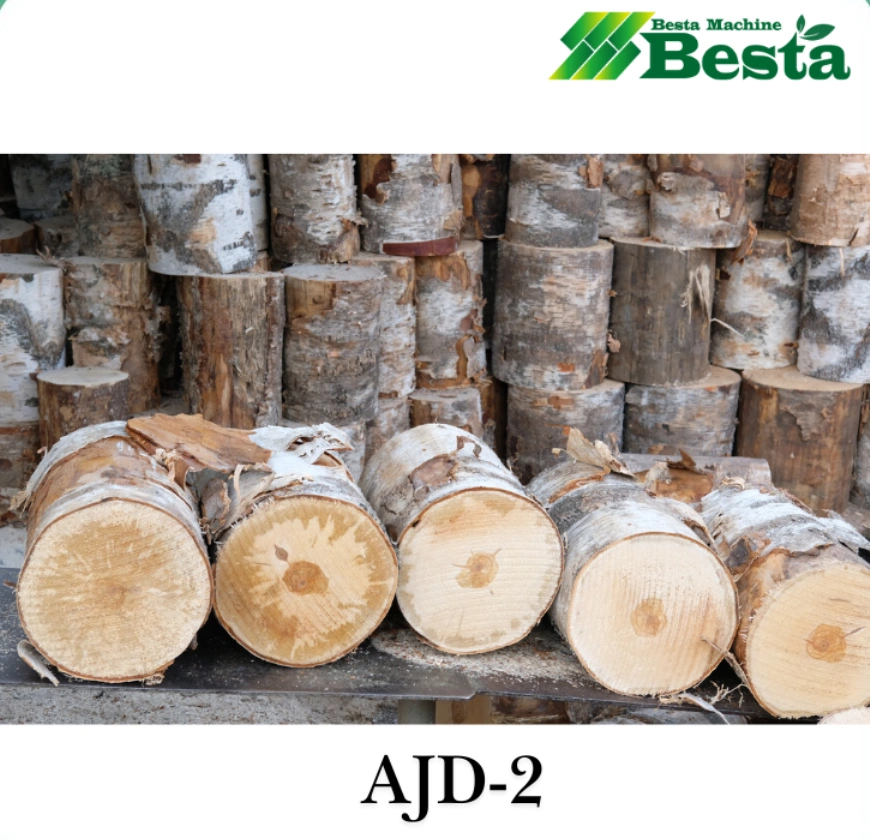
Workers should check logs for irregularities before loading onto the 12-meter platform. Proper alignment of the feed system and blade calibration ensures clean cuts from the first piece. Adjusting feed speed based on wood type—softwoods versus denser varieties—helps balance efficiency and cut quality.
Daily Operation Guidelines
Train operators on safety features, including emergency stops and guards. Monitor conveyor performance to prevent buildup of debris that could affect the 6-meter belt. Consistent voltage supply at 380V supports stable motor operation throughout shifts.
Safety and Workplace Integration
Standard protocols, such as personal protective equipment and dust extraction, work well with the machine’s design. Integrating it with the overall line layout improves material flow from cutting through to drying and packaging.
Maintenance Tips to Ensure Longevity of the Wood Sawing Machine
Careful care keeps the Fully Automatic Wood Cutting Machine running at peak efficiency and high precision.
Routine Checks and Lubrication
Daily inspections of blades, bearings, and chains prevent early wear. Regular lubrication of moving parts reduces friction and extends component life. Operators should check conveyor alignment from time to time to avoid tracking issues.
Blade Management and Sharpening
Sharp blades deliver the clean cuts needed for precision. Scheduling timely replacements or sharpening sessions lowers splintering and maintains output quality.
Troubleshooting Common Issues
Uneven cuts often come from misalignment or dull blades. Slowdowns may point to motor or belt problems. Following manufacturer-recommended service intervals helps fix these early and reduces unplanned downtime.
The Impact of Automation on Sustainable Wood Processing
Using a Fully Automatic Wood Cutting Machine supports wider goals of resource efficiency. Precise cutting lowers scrap. It allows more usable material from each log. This method fits sustainable practices by making the most of renewable wood resources in the production of everyday items.
Automation also reduces physical strain on workers and lowers energy waste through optimized operation cycles. As industries move toward greener manufacturing, such machines help increase output in a responsible way while keeping competitive efficiency.
FAQ
What is the main function of a Fully Automatic Wood Cutting Machine?
It performs wooden length setting as the first step in production lines for ice cream sticks, tongue depressor sticks, coffee stirring sticks, and wooden spoons.
How much wood does the AJD-2 model process in one workday?
It can handle about 25 cubic meters of wood during an 8-hour shift, depending on log characteristics and operating conditions.
What power specifications does this wood sawing machine require?
The machine uses 12 KW main power, plus 4 KW for other motors and 4 KW for the conveying belt, operating at 380V, 50HZ.
Why is high precision important in a Fully Automatic Wood Cutting Machine?
Precise cuts ensure uniform blanks that improve yield and quality in downstream processes like rotary cutting and shaping.
Is the machine suitable for different types of wood?
Yes, its robust design accommodates various species commonly used in stick and spoon production, provided operators adjust settings appropriately.
How does automation benefit labor in wood processing?
It significantly reduces manual handling. Fewer operators achieve higher throughput while improving safety and consistency.
Enhance Your Wood Processing Operations Today
Facilities ready to add reliable automation into wooden product manufacturing can connect with the specialists at Besta Machine. They provide in-depth technical guidance on the Fully Automatic Wood Cutting Machine and full production line solutions. Reach them by phone at +8618657106860 or via email at angel@bestachina.com. Their experienced team is located at Hangzhou City, Zhejiang Province, China. The team stands prepared to support needs with expert advice, training, and ongoing service for optimal performance and efficiency.
Take the step toward higher productivity and precision. Contact the Besta Machine professionals now to discuss specific requirements.


Hot Products | Sitemap | Special
Toothpick Precise Cutting Machine , Fully Automatic Wooden Spoon Fork Hot Pressing Machine , automatic stick cutting machine , precision wood cutting machine , bamboo cutting machine , Fully automatic wooden spoon hot pressing machine