


 Home
HomeHow a CNC Wood Router Shapes Precision Wooden Cutlery Designs
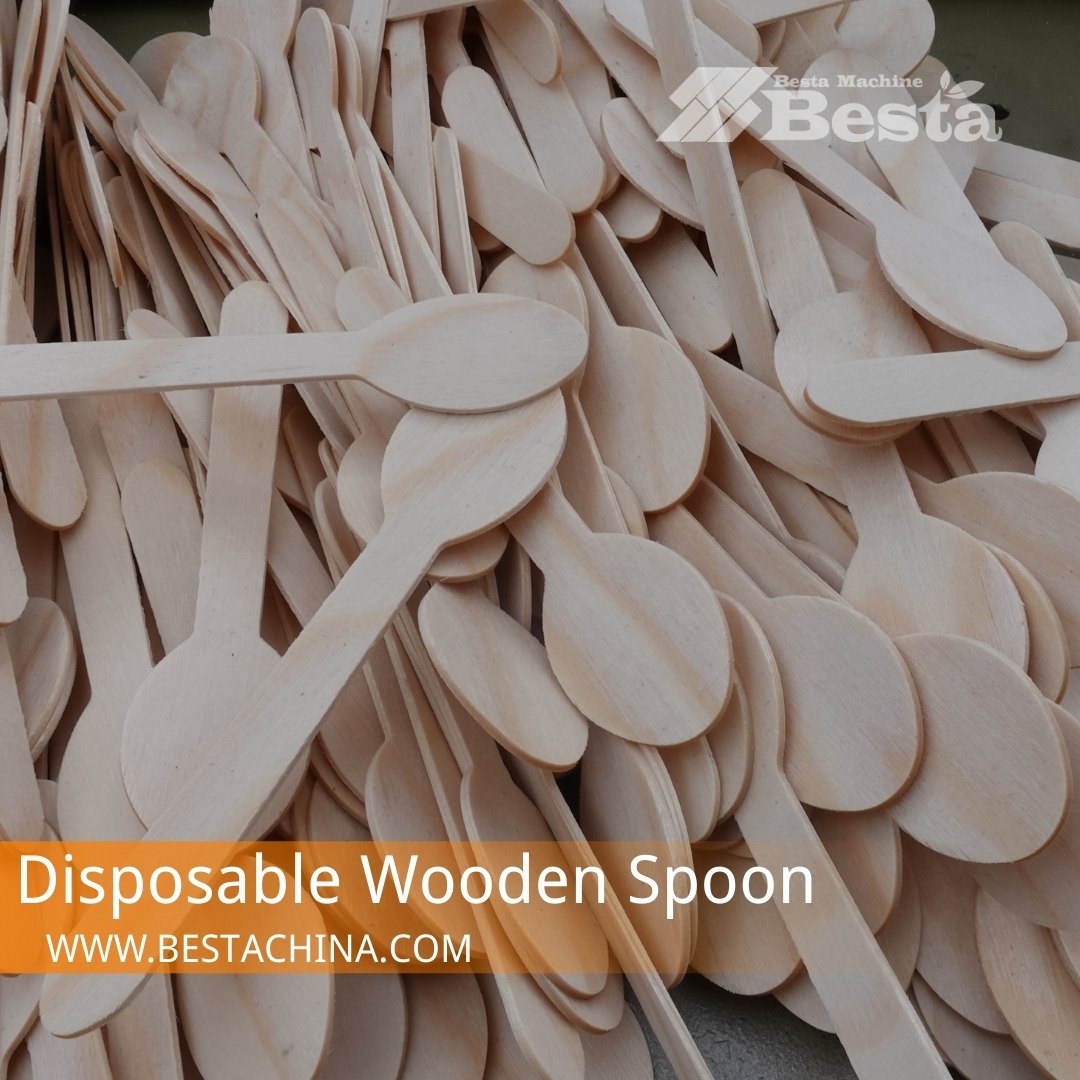
The Role of a CNC Wood Router in Wooden Cutlery Making
What is a CNC Wood Router and How It Works
A CNC wood router is a kind of woodworking tool. It uses computer numerical control (CNC) to direct its cutting jobs. This machine differs from old-fashioned tools. It runs on its own, based on digital plans. As a result, it can cut, etch, and form wood with great care. The tool employs fast-spinning bits to take away bits of wood from basic pieces. This makes it ideal for jobs like making cutlery. Such tasks need fine details and exactness.
The CNC setup reads CAD (Computer-Aided Design) files. It follows the right sizes and cutting routes. This brings steady results in every item made. That is key to creating wooden spoons, forks, and knives. One big plus of this gear is its skill in dealing with tricky bends and small touches. You could not reach that level of exactness by hand.
Why CNC Technology Matters in Wooden Cutlery Design
CNC technology holds an important spot in making wooden cutlery. There are a few clear reasons for this. First, it guarantees sameness. Every spoon, fork, or knife from a CNC router matches in form and length. This matters for looks and real use. Second, it cuts down on hand labor a lot. A skilled worker might spend hours shaping many tools. But a CNC wood router finishes the same job in just minutes.
Third, these routers let you make detailed and fresh patterns. Tricky forms, bent grips, or pretty designs are tough by hand. Yet, with a digital setup, they come out simple. This turns CNC tech into a must-have for today’s wooden cutlery work.
Steps in Crafting Wooden Cutlery with a CNC Wood Router
- Preparing the Wood Material
The process starts with picking the right wood kinds. Hardwoods like maple, birch, and beech work well. They last long and are safe for food. These woods fight off dampness. They also avoid breaking into sharp bits. That suits them for tools.
After choosing the wood, you slice it into blanks. These are small flat blocks that fit the rough size of the end item. A wood-cutting saw helps cut the wood to the needed lengths.
- Designing the Cutlery Using CAD Software
The next part is planning. Here, you build digital models of the tools with CAD software. You set the forms and measures of spoons, forks, and knives exactly. Designers can tweak the bend in a fork’s grip. They might change the round part of a spoon. Or they could adjust the toothed side of a knife.
These computer plans go to the CNC system next. The machine turns the info into code that it can read and use.
- Routing the Wooden Blanks into Cutlery Shapes
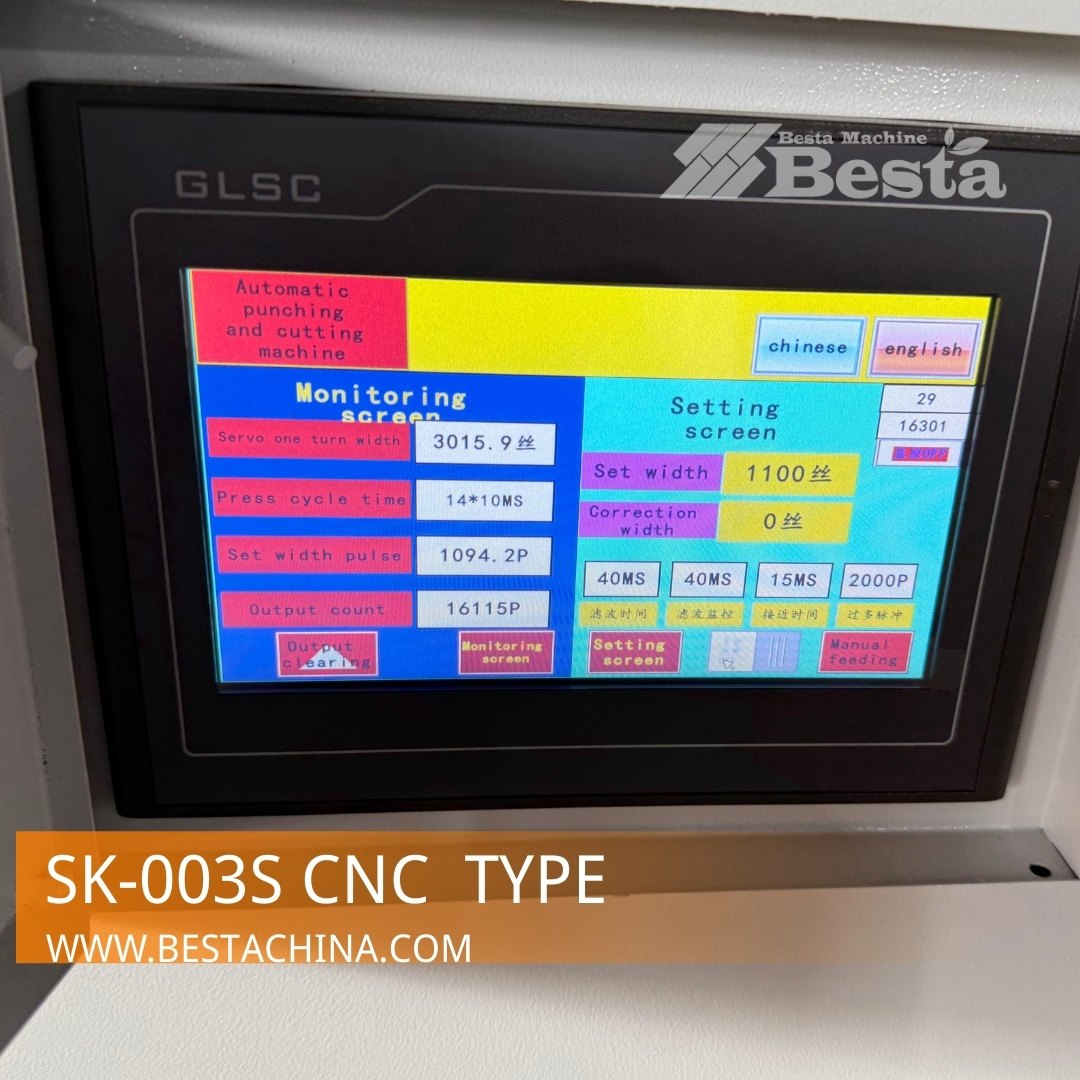
With the plan set, you put the wood blanks on the CNC wood router’s base. The system traces the set cutting lines. It carves each tool form with top care.
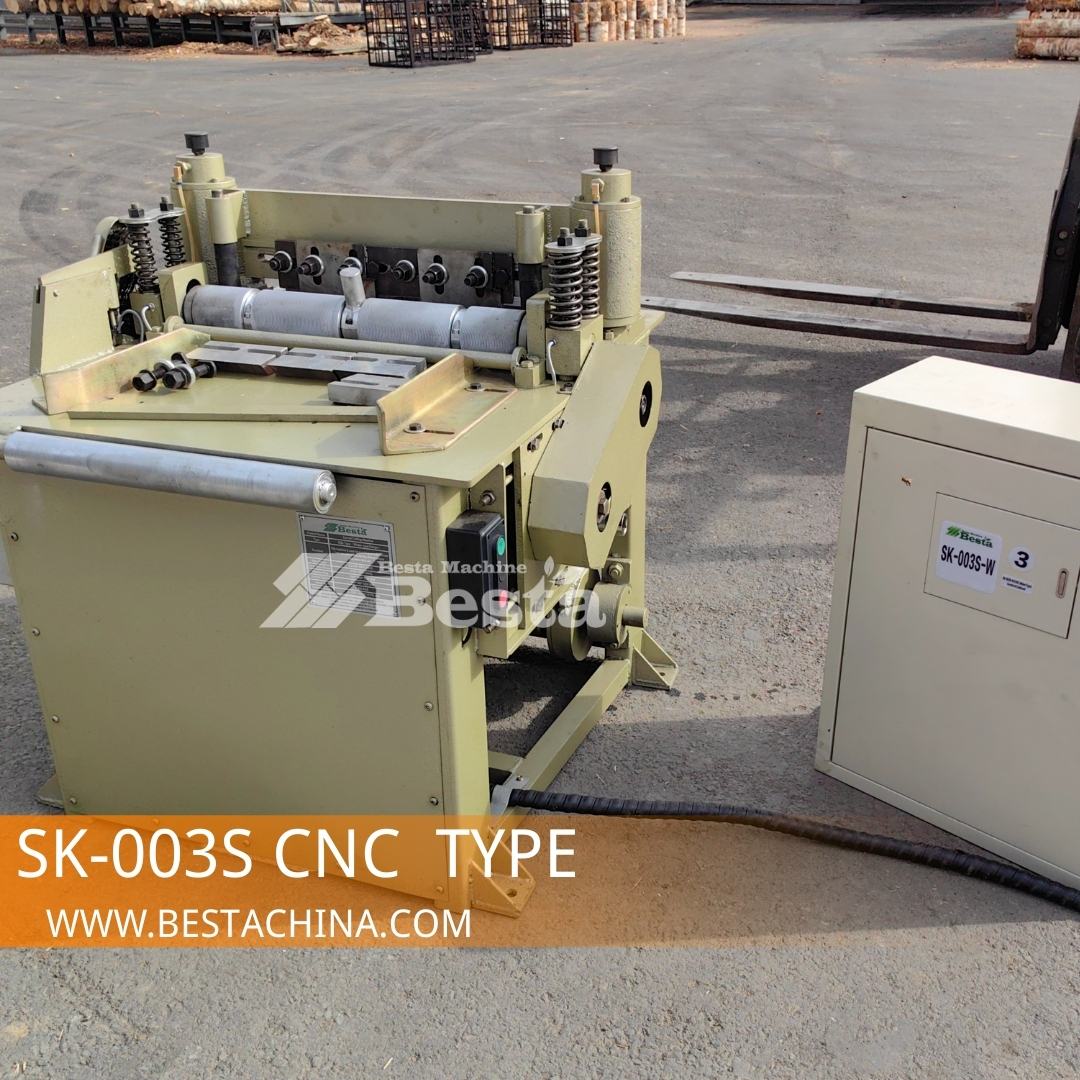
In big setups, like BESTA Machine’s lines for cutlery, things often start with stripping wood into thin sheets. For instance, they aim for 1.84mm thick. Then, they stamp out the forms, such as a 160mm spoon, with a CNC punching machine for cutlery. After that, the CNC router or punching machine adds the small shapes and outlines.
- Finishing Touches After CNC Routing
Once the CNC routing ends, pieces might show small cut lines or bumpy sides. Sanding fixes these small flaws. It makes sure the items are safe and nice to see.
Workers use soft sandpaper or shine tools to even out the sides and top. Then, the items go into a drying and polishing machine. This step boosts their look and feel even more.
- Applying Food-Safe Finishes
To guard the wooden cutlery from wet and use, you add a safe cover for food. This might be natural oils like linseed. Or it could be wax from bees. These covers bring out the wood’s true lines. They also make sure the item follows rules for food safety.
Benefits of Using a CNC Wood Router in Wooden Cutlery Production
- Precision and Consistency Across Batches
The top good point of CNC routers is their sharp aim. Every fork or spoon fits the set measures just right. This cuts down on lost wood and fix-up work. Such steadiness helps check quality well. It also builds trust in the brand and makes buyers happy.
- Flexibility in Design Options
Want to go from a 160mm spoon to a 140mm knife? CNC tech makes it easy. You just change the computer files. There is no need to reset the whole machine. This ease lets makers offer many kinds of items. It works with little wait time. That suits special orders or small groups well.
- Improved Efficiency in Small or Large Production Runs
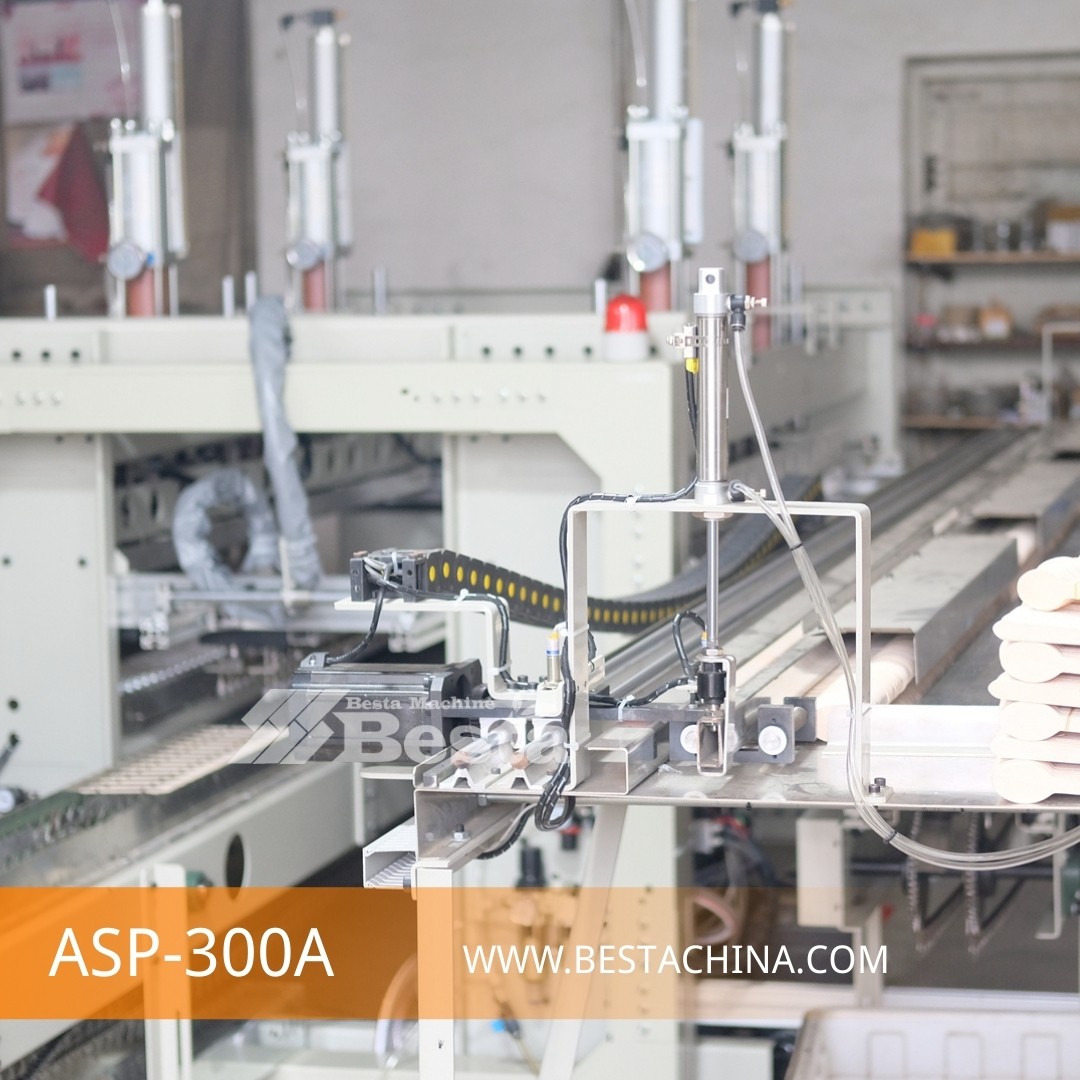
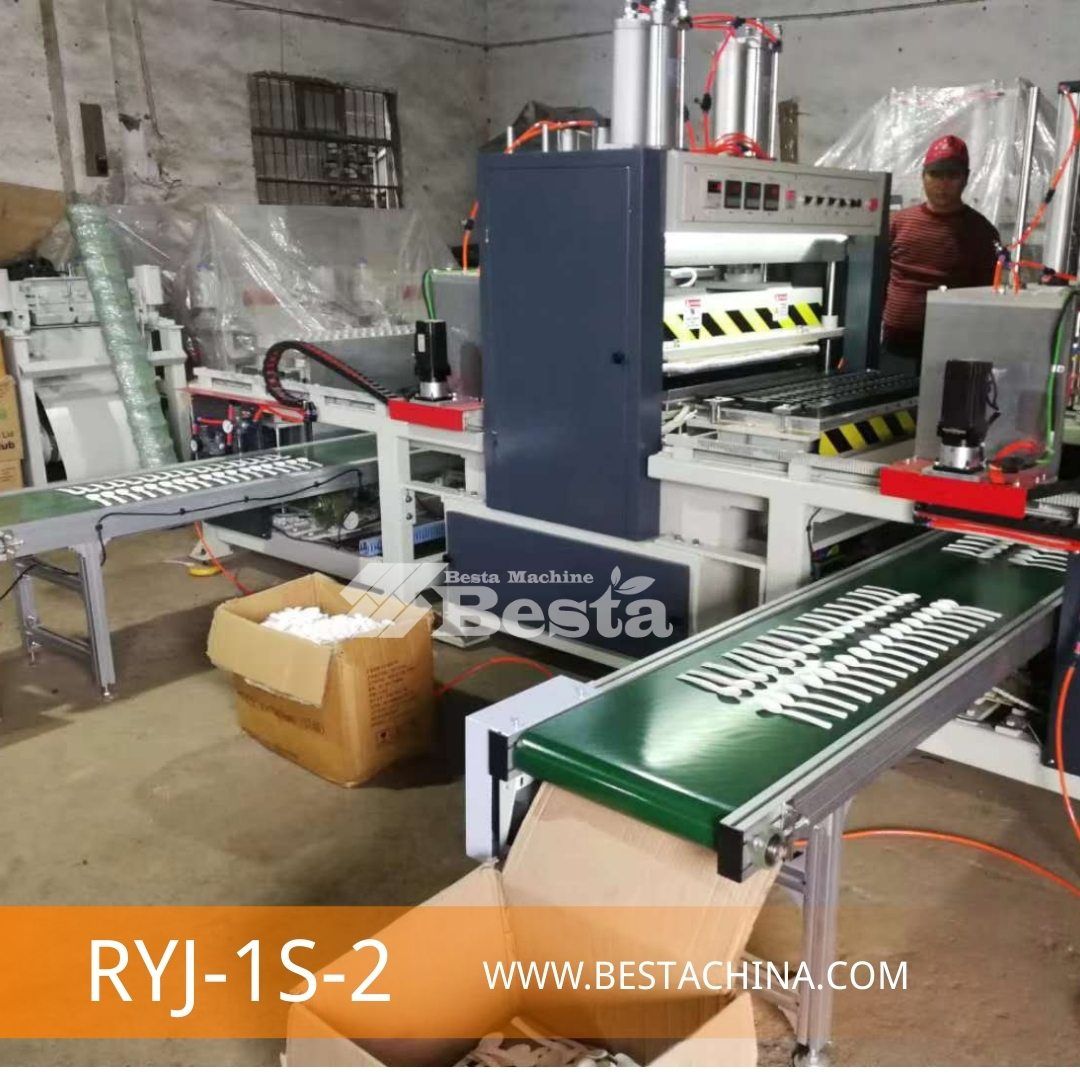
CNC routers grow well with needs. They fit tiny home shops and huge factory lines. Take the ASP-300A Fully Automatic Wooden Spoon Hot Pressing Machine, for example. It turns out about 15,000 pieces each hour. Smaller ones, like the SP-160-1P Disposable Wooden Spoon Hot Pressing Machine, suit small spots too. One person can run it with trust in the steady flow.
The setup for making wooden cutlery includes a few special tools. Each one has its own job. From cutting raw stuff to adding marks, smart systems speed up every step. They bring steady work, even results, and fine quality.
If you run a small green brand or grow for big runs, buying solid CNC wood routers lifts your skills. It keeps you making smooth. With new ideas from firms like BESTA MACHINE, you can make top wooden cutlery in large amounts. All this comes with care and fresh ideas.
FAQ
Q: What type of wood is best for making wooden spoons or forks?
A: Hardwoods such as beech, maple, and birch are commonly used because they are durable, non-toxic, and safe for food contact.
Q: Can I create custom designs with a CNC wood router?
A: Yes! Using CAD software, you can create unique shapes or add branding elements that the CNC wood router will replicate accurately.
Q: How do manufacturers ensure food safety for wooden cutlery?
A: Manufacturers use approved hardwoods and apply food-safe finishes, such as natural oils or waxes, that meet food safety standards.
Q: How fast can these machines produce cutlery?
A: CNC machines are highly efficient. For example, the RYJ-1S Wooden Spoon Hot Pressing Machine can produce approximately 75,600 pieces in a 10-hour work shift.
Q: Is there an easy way to brand wooden utensils with my logo?
A: Yes. The LY-160B Automatic Wooden Spoon Logo Branding Machine allows for quick mold swaps and can efficiently brand flat-shaped or pre-pressed wooden spoons with various logos.


Hot Products | Sitemap | Special
Fully automatic wooden spoon hot pressing machine , bamboo splitting blades , precision wood cutting machine , oem Bamboo processing machine , Bamboo Pole Splitting Machine , strip setting machine