


 Home
HomeAutomation vs. Manual Labor: A Comparative Study on Output & ROI in Bamboo Processing
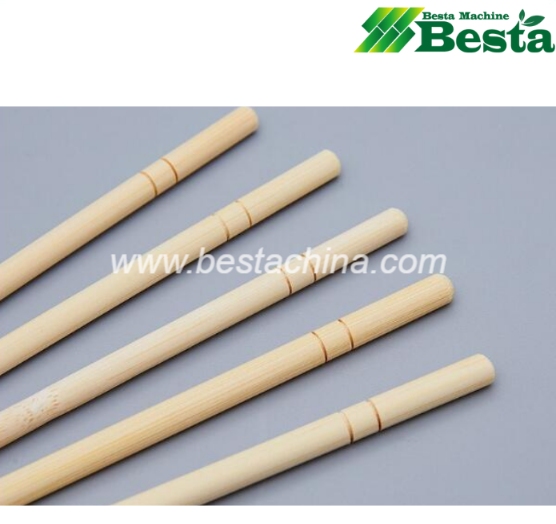
In the modern manufacturing landscape, the transition from manual labor to automated systems is no longer just a luxury—it is a strategic necessity for maintaining competitiveness in the global B2B market. For producers of high-volume disposable items, the choice of chopstick machine or bamboo chopsticks making machine technology dictates not only the factory’s maximum throughput but also its long-term financial health and social responsibility (ESG) standing.
The Operational Evolution: From Manual Craft to Industrial Automation
The production of bamboo chopsticks has evolved from labor-intensive manual workshops to highly integrated, tech-driven facilities. At the core of this transition is the optimization of labor input relative to total output. While manual labor provides flexibility, it fails to meet the consistency and scale required for international trade.
The Foundation of Capacity: Raw Bamboo Processing
Before a single stick is shaped, raw bamboo must undergo rigorous preparation. Manual splitting and cutting are slow and carry significant safety risks for workers. Modern automation addresses this at the very first stage:
Initial Cutting: The ZG-1 Raw Bamboo Sawing Machine replaces manual sawing, capable of cutting long poles into 1.9-meter sections with a processing capacity of 12 tons per day.
High-Volume Splitting: A standard ZP-2500 Bamboo Splitting Machine can also process 12 tons of raw material daily, utilizing 10 pieces of blades to ensure uniform strip width.
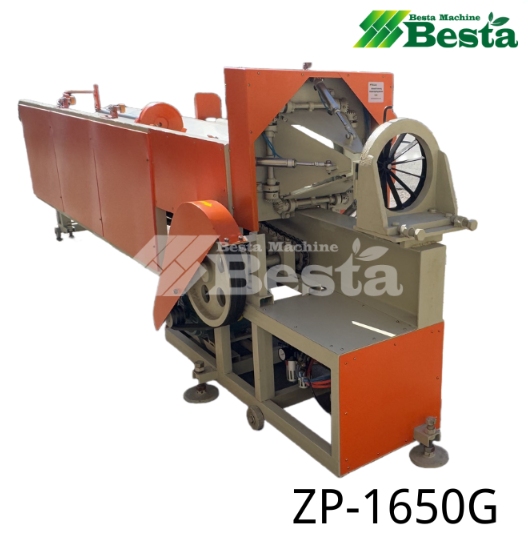
Precision Centering: The shift to Advanced Automation is best seen in the ZP-1650G Fully Automatic Centering Bamboo Splitting Machine. Unlike traditional methods that require manual alignment, this machine uses sensors to automatically load and center the pole, significantly reducing the physical strain on labor while maintaining a capacity of 1,500 kg per day.
Analyzing Throughput: The Impact of a Chopstick Making Machine
When discussing a chopstick making machine, the most critical metric is how many units can be produced per hour with the fewest number of human interventions.
Stage 1: Shape Forming and Precision
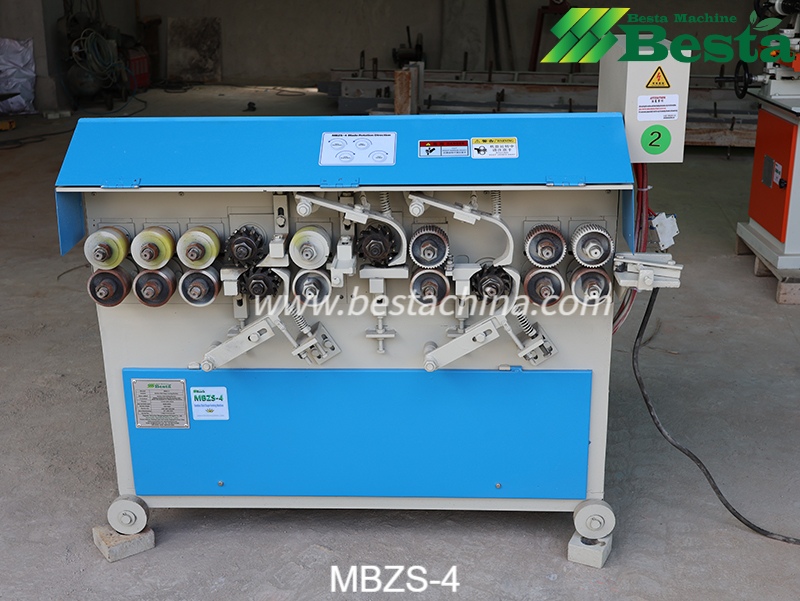
The transformation of a rough bamboo strip into a standardized round stick is the most tech-demanding phase. The MBZS-4 Bamboo Stick Shape Forming Machine is a versatile powerhouse in this regard. It can process 1.5 tons of bamboo daily, yielding approximately 300 kg of fresh sticks. This machine allows for the production of various diameters (5.0mm to 6.0mm) simply by changing the shaping blades, providing a level of versatility that manual carving could never match.
Stage 2: Sharpening and Engraving Efficiency
The finishing stage is where automation truly separates itself from manual labor in terms of ROI.
- Traditional Manual Finishing:Slow, inconsistent, and prone to high rejection rates.
- Automated Sharpening (BXJ-5S):This high-speed bamboo chopsticks making machine sharpens one end while simultaneously engraving and chamfering the other. It operates at a staggering speed of 260 to 300 pairs per minute. This ensures that every chopstick is identical, meeting the strict quality standards of premium overseas buyers.
The ROI of Integrated Systems: Combined vs. Standalone Units
For many factory owners, the Return on Investment is calculated by the reduction in touches—the number of times a worker must handle the product.
The Efficiency of Combined Design
The SHY-3 Combined Bamboo Stick Shape Forming Machine represents the pinnacle of labor reduction. It integrates the functions of width-setting, knot removal, layering, and shaping into a single, continuous line. Automatically feeding prepared strips directly into the shaping unit minimizes manual handling, thereby reducing labor costs and increasing safety.
Packaging and Brand Grade
The final step in the ROI equation is packaging. Automated solutions like the DW-230 Fully Automatic Chopstick Packing Machine can pack up to 600 pairs per minute. This machine includes a positioning system to ensure consistent appearance and brand grade, which is essential for B2B exporters looking to secure high-value contracts.
Data-Backed Comparison: Automation Levels vs. Labor Input
The following table compares the production efficiency across different stages of a chopstick making machine line based on the technical specifications of high-performance equipment.
|
Machine Model |
Primary Function |
Daily Capacity / Speed |
Labor Requirement |
|
ZG-1 |
Raw Bamboo Sawing |
12 Tons / Day 13 |
Low (Operator only) |
|
ZP-2500 |
Standard Splitting |
12 Tons / Day 14 |
Medium (Manual feed) |
|
ZP-1650G |
Auto-Centering Splitting |
1500 kg / Day 15 |
Very Low (Sensor-based) |
|
MBZS-4 |
Round Stick Forming |
1.5 Tons (300kg sticks) 16 |
Low (Maintenance focus) |
|
BXJ-5S |
Sharpening & Engraving |
260 - 300 Pairs / Min 17 |
Very Low (Continuous) |
|
DW-230 |
Auto-Packing |
600 Pairs / Min 18 |
Minimal (Bag refill only) |
The ESG Perspective: Social and Environmental Responsibility
Automation is often criticized for replacing workers, but from an ESG expert’s view, it facilitates a transition to Safer Labor.
Workplace Safety
Manual bamboo processing involves sharp blades and heavy poles. Machines like the AJQ-6 use pneumatic pressing to ensure materials are evenly stressed, preventing accidents that occur with manual cutting. Furthermore, utilizing dust collectors with sharpening machines significantly improves the air quality for factory floor employees.
Resource Efficiency
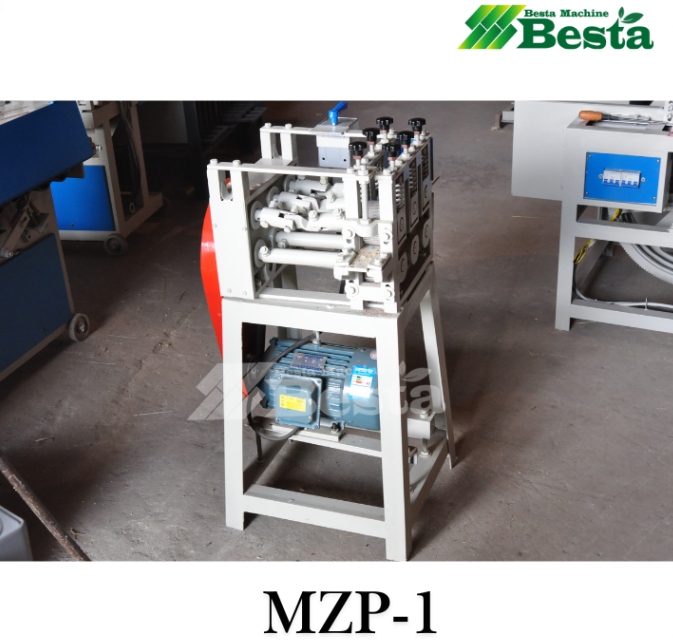
Precision automation reduces waste. The MZP-3 Fixed Width Slicer and MZP-1 Small Layering Machine allow for precise control over strip thickness (down to 3.5mm), ensuring that more of the raw bamboo is converted into product rather than scrap. Additionally, machines like the PBZ-200 use water-based inks for printing, which are more eco-friendly than traditional solvent-based alternatives.
Conclusion: Securing the Competitive Edge
Investing in a high-capacity chopstick machine or a full bamboo chopsticks making machine line is an investment in the future of your enterprise. The data shows that while manual labor may seem cost-effective in the short term, the massive output of 300 pairs per minute and the 12-ton daily capacity of automated units provide a far superior ROI. By embracing these technologies, manufacturers not only boost their bottom line but also uphold the high safety and quality standards required by the global B2B marketplace.
FAQ
1. How do I handle different bamboo species that have brittle knots?
Species found in India, Indonesia, and Thailand often have knots that fracture easily. For these regions, it is critical to use specialized machines like the MBZS-3A or MBZS-2A, which are specifically designed to process knot-free sections or handle short-length strips to prevent total stick breakage.
2. Can one chopstick machine produce different sizes for different markets?
Yes. Versatile machines like the MBZS-4 allow you to produce sticks ranging from 5.0mm to 6.0mm in diameter simply by changing the shaping blades. This flexibility allows a single production line to serve various international standards.
3. What is the best way to ensure AAA-grade quality for export?
Automated selection is key. After polishing, sticks should pass through an automatic selecting machine like the JX-100, followed by a Round Bamboo Stick Selecting Tool. These tools use precision holes to identify bent or non-round sticks, ensuring only the straightest, high-quality sticks reach the packaging stage.
4. Is a fully automatic line difficult to maintain?
While automation increases complexity, auxiliary equipment like the XMD-02 Blade Sharpening Machine makes maintenance manageable. Regularly grinding your flat and shaping blades ensures that the production line continues to meet precision standards without requiring expert mechanical intervention for every minor dulling.
5. How much space do I need for a full bamboo chopsticks making machine line?
Most of these machines are designed with a compact footprint. For example, a forming machine is roughly 1.25m x 1.0m, and even a full packing machine is only about 1.6m in length. A standard industrial unit can house a full line if the workflow from raw sawing to final packing is laid out linearly.


Hot Products | Sitemap | Special
automatic stick cutting machine , bamboo stick making machine price , Bamboo Skewer Making Machine supplier , Fully Automatic Wooden Spoon Fork Hot Pressing Machine , bamboo stick machine , precise cutting machine