


 Home
HomeThe Multifaceted Benefits of Bamboo Products
Bamboo, often termed "green gold," has emerged as a revolutionary material in sustainable development. This paper explores the advantages of bamboo products from five key perspectives: environmental sustainability, economic viability, health and safety, technological innovation, and cultural-social impact. By analyzing these dimensions, we demonstrate how bamboo serves as a versatile solution to global challenges, from climate change to economic inequality.
1. Environmental Sustainability: A Carbon-Neutral Champion
Bamboo’s ecological credentials are unmatched:
-
Rapid Renewability: Bamboo grows up to 1 meter per day, maturing in 3–5 years (vs. 20–50 years for hardwoods). A single hectare of bamboo sequesters 12 tons of CO₂ annually, outperforming many tree species.
-
Soil and Water Conservation: Its dense root system prevents erosion and improves soil health. Bamboo requires no pesticides and 30% less water than cotton.
-
Waste Reduction: Fully biodegradable, bamboo products (e.g., cutlery, textiles) reduce landfill burden. For example, bamboo packaging decomposes in 4–6 months, unlike plastic’s 450+ years.
Case Study: In China, bamboo forests cover 6.7 million hectares, offsetting 33 million tons of CO₂ yearly—equivalent to removing 7 million cars from roads.
2. Economic Viability: Fueling Green Economies
Bamboo drives inclusive economic growth:
-
Low-Cost Raw Material: Bamboo’s abundance lowers production costs. A bamboo straw costs 0.12 for stainless steel.
-
Job Creation: The global bamboo market ($72 billion in 2022) supports 35 million livelihoods, particularly in rural Asia and Africa.
-
Export Potential: Bamboo-based exports (flooring, furniture) grew by 15% annually, with the EU and U.S. leading demand for eco-friendly goods.
Example: In Ethiopia, bamboo cooperatives increased household incomes by 40% through artisan product exports.
3. Health and Safety: A Non-Toxic Alternative
Bamboo’s natural properties enhance human well-being:
-
Antimicrobial Qualities: Bamboo kun, a natural bio-agent, inhibits 70% of bacteria growth, making it ideal for kitchenware and medical tools.
-
Chemical-Free: Untreated bamboo fabrics and utensils avoid harmful toxins like BPA or formaldehyde found in plastics.
-
Hypoallergenic: Bamboo fibers are smoother than cotton, reducing skin irritation risks.
Data Point: Bamboo-based active charcoal filters remove 99% of air pollutants, aiding respiratory health.
4. Technological Innovation: Redefining Material Science
Bamboo is reshaping industries through advanced engineering:
-
Composite Materials: Bamboo fibers mixed with polymers create lightweight, durable alternatives to steel in construction (e.g., earthquake-resistant scaffolding).
-
Textile Breakthroughs: Mechanized processing transforms bamboo into lyocell fabric, which uses 50% less water than conventional textiles.
-
Automation: Companies like Besta Bamboo Machine Co. deploy AI-driven systems to produce 20,000 spoons/hour with 95% precision, minimizing waste.
Innovation Spotlight: Bamboo-based 3D printing filaments are gaining traction for their low carbon footprint and high tensile strength.
5. Cultural and Social Impact: Bridging Tradition and Modernity
Bamboo bridges cultural heritage and contemporary values:
-
Historical Significance: For millennia, bamboo has been integral to Asian architecture, art, and daily tools (e.g., Japanese tea ceremonies, Philippine weaving).
-
Symbol of Sustainability: Modern brands use bamboo to appeal to eco-conscious consumers. For instance, 68% of millennials prefer bamboo toothbrushes over plastic.
-
Community Empowerment: NGOs train marginalized groups in bamboo craftsmanship, preserving traditions while fostering economic independence.
Example: India’s “Bamboo Village Initiative” revitalized tribal economies by linking artisans to global e-commerce platforms.
Our machines are widely export to INDIA, INDONESIA, THAILAND, PHILIPPINES, COLUMBIA, BRAZIL, ALGERIA, NIGERIA, GHANA, CAMEROON, ETHIOPIA AND MANY OTHER COUNTRIES.
Welcome to whatsapp us.:www.bestachina.com/www.bestamachine.com
Email: info@bestachina.com sales@bestachina.com
Whatsapp: 0086 186 5710 6860 (Angel Zhou) 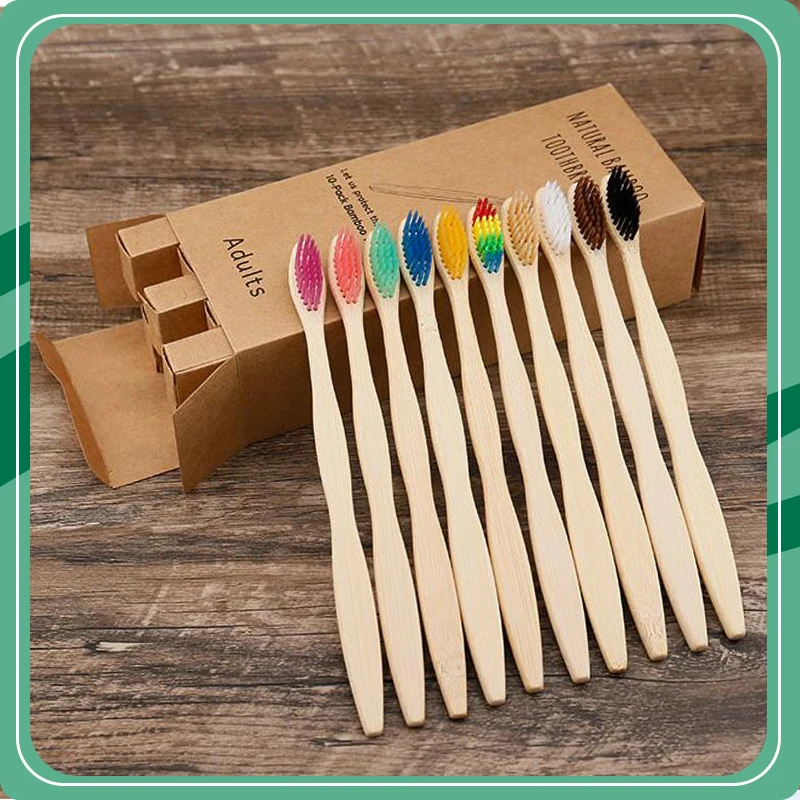


Hot Products | Sitemap | Special
precision wood cutting machine , Fully automatic wooden spoon hot pressing machine , Toothpick Precise Cutting Machine , Fully Automatic Wooden Spoon Fork Hot Pressing Machine , automatic stick cutting machine , Wooden Ice Cream Stick Carved Cutting Machine