


 Home
HomeStep-by-Step Guide: How Automated Bamboo Stick Making Machines Work
Bamboo has been one of Asia’s top renewable resources for ages. But in today’s industrial scene, automation has completely changed how bamboo gets turned into products—particularly bamboo sticks for incense, barbecue skewers, and everyday tools.
Today’s bamboo stick-making machines bring accuracy, uniformity, and quickness that handwork simply can’t rival. This guide walks through the full cycle of automated bamboo stick manufacturing, highlights the upsides of automation, and shares tips for plants looking to buy new gear.
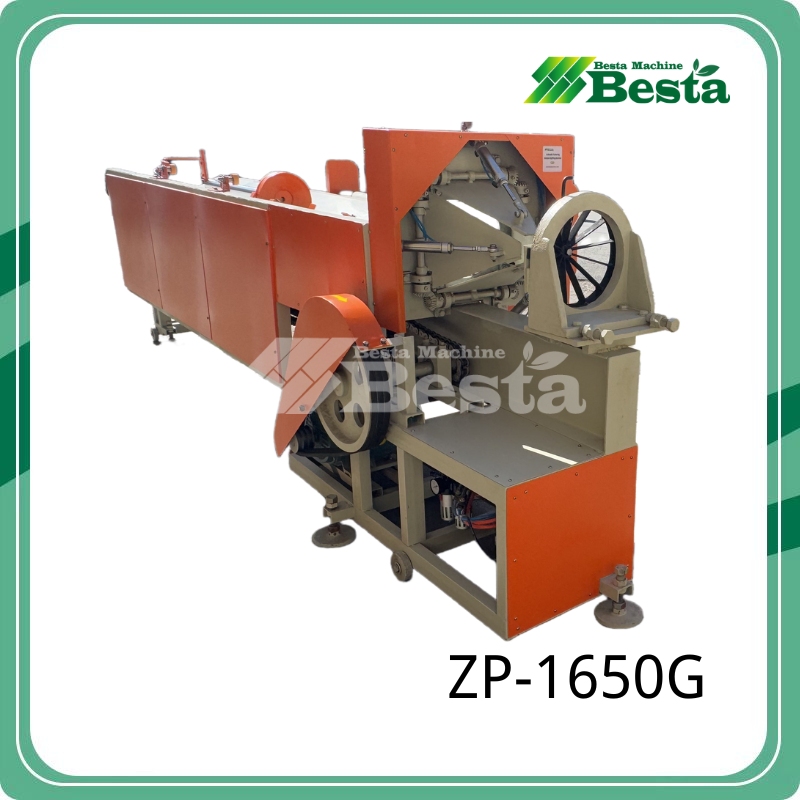
1. Rising Global Demand for Bamboo Stick Production
With sustainability pushing manufacturing worldwide, bamboo is taking over from plastic and hardwood in countless uses. It grows back fast, costs little, and breaks down naturally—perfect for markets abroad.
In Asia, Africa, and South America, more factories are switching to automated bamboo stick production lines. These setups keep size, surface finish, and cleanliness steady while cutting down on workers needed. Automation is now the main way to hit export standards and handle growing orders.
2. Preparing the Raw Bamboo
The process kicks off by picking mature bamboo poles (usually 3–5 years old) for the best fiber toughness. Workers saw them into shorter pieces using a Bamboo Cutting Machine, which precisely cuts bamboo into lengths like 1.9 meters. Then they air-dry the sections to drop moisture—this stops cracking and keeps the structure solid.
After drying, Besta ZP-2500 Bamboo Splitting Machine divides the poles into strips. This guarantees even widths and clean edges, setting up top-grade sticks. Automation here wipes out sloppy cuts and waste that manual methods often create.
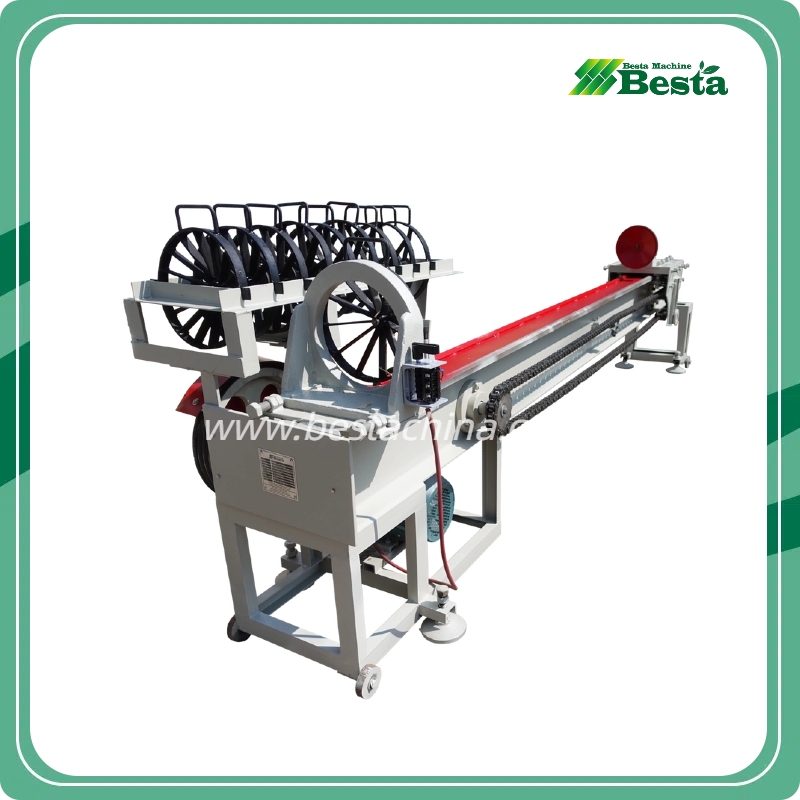
3. Sizing and Smoothing the Bamboo Strips
Sizing follows. Machines trim strips to exact thickness and length depending on the final item—incense sticks, skewers, or craft sticks. Automated sizing machines let operators tweak settings finely and cut down on rejects.
Strips are then rolled through smoothing rollers. These take off jagged edges. The result is a flat texture, ready for the next steps. At this point, the bamboo starts looking like the thin, familiar sticks.
4. Thinning and Layering for Uniform Texture
Thinning is a key part of current bamboo stick making. High-tech thinner bamboo strip layering machine automatically set strip thickness for even density and bend, such as a Small Layering Machine that processes thick strips to 3.5mm for uniform toothpick production.
This keeps every stick smooth yet strong. It matters most for incense and skewer making, where tiny differences can ruin function or looks.
5. Cutting, Polishing, and Drying
Thinned strips go into precision cutting units. These decide the final length and diameter. Some systems include sorting modules that pull good sticks away from scraps.
Polishing starts right after. Drums and rollers strip away tiny splinters. The sticks end up with a silky finish suited for customers. Drying comes last in this phase. It happens in chambers with controlled heat. Automated drying avoids excess dryness or warping, holding onto bamboo’s bounce and shade.

6. Automated Quality Control and Packaging
Automation doesn’t stop at making. In up-to-date plants, optical inspection systems spot cracks, color flaws, or size errors instantly. Good sticks get counted, tied, and sealed to match orders.
Exporters love this part—barcode printing, labeling, and shrink wrapping fit into one smooth unit. A fine-tuned line can turn out thousands of sticks hourly with just a few watchers.
7. Why Automation Matters in Bamboo Stick Manufacturing
Switching to automation yields clear gains for business:
Higher Productivity: Machines keep going nonstop, boosting volume and filling big export needs.
Consistent Quality: Each stick shares an identical size and finish.
Lower Labor Costs: Plants run with fewer staff handling checks.
Energy Efficiency: New bamboo stick machines use less electricity per stick.
Cleaner Production: Less dust and scrap boost safety and eco rules.
For suppliers aiming at foreign buyers, this mix of speed and reliability sharpens their market position.
8. How to Choose the Right Bamboo Stick Machine
Before buying, check your output size, target buyers, and workforce.
Small shops gain from semi-automatic models—cheap and simple to fix.
Big exporters need fully automated lines that combine cutting, polishing, and packaging.
Key things to weigh:
After-sales service and spare part supply
Installation and operator training
CE or ISO certifications for export compliance
Picking a solid bamboo stick-making machine manufacturer guarantees steady runs and quick payback.
9. Future Trends in Bamboo Processing Automation
The bamboo sector is stepping into a clever phase. Coming machines blend IoT sensors, AI monitoring, and power-saving motors to manage speed, humidity, and heat on the fly.
Green designs are rising too—plants prefer frames that recycle and systems with low emissions. As world rules push green making, automation will shape bamboo’s tomorrow.
Frequently Asked Questions (FAQ)
Q1: Which bamboo species are best for automated stick production?
Moso bamboo and Tonkin bamboo are most popular due to their straight fibers and strong tensile strength, ideal for consistent cutting and shaping.
Q2: How much labor can automation save?
A fully automatic production line requires only 2–3 operators for feeding and monitoring, compared with 10–12 in manual systems.
Q3: How long can a bamboo stick machine last?
With regular maintenance—such as blade sharpening and lubrication—high-quality machines can perform efficiently for 8–10 years.
Q4: Can one line produce multiple types of sticks?
Yes. Many systems allow quick parameter adjustments to switch between incense sticks, skewers, and craft sticks.Q5: How does automation support eco-friendly manufacturing?
Automated systems reduce raw material waste, lower emissions, and support biodegradable product supply chains.
Conclusion
The automation of bamboo stick production marks a major shift in sustainable manufacturing. From raw bamboo selection to packaging, each stage benefits from precision engineering and digital control.
Whether you’re a small workshop upgrading from manual tools or a large exporter scaling up production, modern bamboo stick making machines offer clear paths to higher efficiency, product consistency, and green manufacturing.
Looking to upgrade or start your bamboo stick production line? Partner with a trusted supplier to customize the right equipment for your capacity and market needs.Besta Bamboo Machine, founded in 2000, is a leading manufacturer of bamboo and wood processing machinery with over 20 years of expertise. Exporting to 30+ countries with agents in Indonesia, we offer OEM services, R&D support, and comprehensive after-sales assistance for sustainable, high-efficiency production worldwide.


Hot Products | Sitemap | Special
Toothpick Precise Cutting Machine , automatic stick cutting machine , Fully Automatic Wooden Spoon Fork Hot Pressing Machine , precise cutting machine , Fully automatic wooden spoon hot pressing machine , precision wood cutting machine